That number gets even more interesting when you look at what well-run email programs actually contribute. Klaviyo benchmarks put optimized DTC email programs at roughly 30% of total store revenue — and FluenceFlow's clients average 41% of total store revenue from email and SMS combined.
"Build an email list" sounds simple. But results vary enormously based on what you offer visitors, how your capture flows are set up, and what happens the moment someone subscribes. This guide covers the strategies, prerequisites, key variables, and mistakes to avoid.
Key Takeaways
- Email list growth depends on three things: qualified traffic, a compelling opt-in offer, and a strong post-signup experience.
- On-site capture tactics (popups, embedded forms, checkout opt-ins) deliver the highest leverage for e-commerce brands.
- List quality beats list size every time: engaged subscribers who match your buyer persona outperform a large list of bargain hunters.
- Never buy email lists — they destroy sender reputation, violate compliance laws, and generate near-zero return.
- What you send in the first 30 days determines whether new subscribers convert or go silent.
Why Your Email List Is Your Most Valuable Owned Marketing Asset
Social media followers exist on someone else's platform. Your email list belongs to you.
When Facebook's algorithm shifts, your organic reach collapses (the platform itself has acknowledged that users see roughly 300 of the 1,500+ eligible News Feed stories at any given visit, with competition for that space growing every year). Paid social CPMs have trended the same direction. Your email list, by contrast, doesn't answer to a third-party platform. No one can change the rules on you overnight.
For DTC brands, this distinction has direct revenue implications:
- Underperforming email programs typically contribute around 12% of total revenue
- Optimized programs regularly hit 30% or more
- The gap isn't list size — it's the infrastructure behind it
Email Compounds Over Time
Every subscriber you add is an asset, not a contact. A properly configured Klaviyo account captures behavioral signals from day one: browse behavior, cart activity, purchase history. That data triggers relevant flows automatically, without manual intervention.
The subscriber who joins today can receive a welcome sequence, a post-purchase flow after their first order, and a replenishment reminder six weeks later.
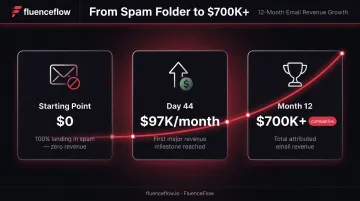
That built-in momentum is why list-building should be treated as infrastructure investment, not a one-time campaign. FluenceFlow's case data illustrates this well: one client saw email grow from contributing nothing (zero dollars — everything was landing in spam) to $97K in monthly email revenue within 44 days — and $700K+ over 12 months — after rebuilding the email system from the ground up.
What You Need in Place Before You Start Building Your List
Brands that start capturing emails before their infrastructure is ready lose subscribers immediately. A weak welcome experience, no triggered flows, or poor deliverability setup turns list-building into an expensive waste of ad spend.
Three things need to be in place first.
ESP and Platform Setup
For Shopify-based DTC brands, Klaviyo is the industry standard. More than 117,000 Shopify brands use it, and the integration takes minutes — after which purchase data, browse behavior, and cart activity sync directly into subscriber profiles in real time.
That data matters from day one. A new subscriber who viewed a specific product category before opting in can receive a welcome sequence referencing exactly what they browsed. That level of targeting only works if the integration is live before list-building begins.
FluenceFlow is Klaviyo Certified, meaning their team builds and optimizes these systems specifically for DTC clients — with the ESP fully connected to the store before any capture tactics go live.
Your Opt-In Mechanism
Two primary formats work for DTC:
- Popups — timed, exit-intent, or behavior-triggered; highest volume for first subscriber acquisition
- Embedded forms — placed in footers, product pages, or after blog content; a non-intrusive complement to popups
For most brands, a popup with a discount or incentive is the fastest path to first subscribers. Popup tools built specifically for e-commerce — like Alia, which FluenceFlow is certified in — can personalize offers based on visitor behavior and traffic source, improving conversion rates compared to generic tools.
Your Post-Signup Welcome Flow
A welcome sequence triggered the moment someone subscribes prevents subscribers from going cold before they've ever converted — and you've already paid, via ads or organic effort, to get them there.
At minimum, a welcome flow should deliver the promised incentive, introduce the brand, and begin building purchase intent through your bestsellers or a compelling offer. It goes live before your first subscriber arrives.
How to Build Your Email List: 6 Proven Strategies for DTC Brands
The strategies below are ordered from highest-leverage to supplemental. Implement on-site tactics first — your traffic is already there. Off-site channels expand reach once the foundation is solid.
Strategy 1: Deploy a High-Converting Popup with a Clear Offer
The welcome popup remains the single highest-volume email capture tool for e-commerce. The offer is everything.
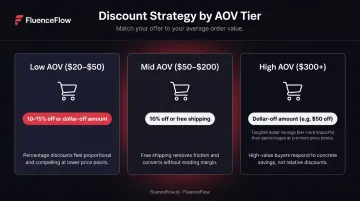
Calibrate your incentive to your margins and AOV:
- Low AOV brands ($20–$50): 10–15% discounts or small dollar-off amounts tend to convert well
- Mid AOV brands ($50–$200): 10% discounts or free shipping work reliably
- High AOV brands ($300+): Dollar-off amounts (e.g., $50 or $100 off) typically outperform percentage discounts because they feel more tangible against a larger purchase
Popup best practices:
- Show after 5–10 seconds or on exit intent — not immediately on page load
- Optimize for mobile separately (different screen, different user behavior)
- Run A/B tests on offer size, headline copy, and form fields
- Aim for Klaviyo's recommended benchmark of 3% or higher submit rate for popup forms
The difference between a mediocre and optimized popup isn't marginal. One comparison FluenceFlow has documented shows a 0.72% submit rate generating $17K in revenue versus a 10.03% submit rate generating $141K — from similar traffic volumes.
Strategy 2: Capture Emails at Checkout
Checkout visitors have already decided to buy. They're the most valuable subscribers you can capture — and Shopify makes the mechanics simple with a native email opt-in checkbox at checkout.
One compliance note worth keeping in mind: regardless of where your customers are located, the checkbox must require active opt-in. Pre-ticked boxes don't constitute valid consent under US state privacy laws (including California's CCPA) or international regulations.
Tag checkout-captured subscribers separately in Klaviyo. Because they're already buyers, their onboarding sequence should differ from cold subscribers — skip the "here's why you should try us" framing and go straight into post-purchase and cross-sell content.
Strategy 3: Offer a Lead Magnet or Gated Content
A lead magnet gives visitors a free resource in exchange for their email address. For DTC, the best lead magnets are tightly aligned with the product category:
- Skincare brand → "Find Your Skin Type" quiz
- Outdoor gear brand → gear checklist for a specific activity
- Specialty food brand → recipe guide or flavor pairing chart
The lead magnet must provide immediate, genuine value. A weak resource attracts subscribers who unsubscribe fast and damage your list health metrics. Klaviyo documents a leather goods brand (Latico Leathers) that deployed a style quiz delivering personalized product recommendations alongside a 15% discount code — it drove 10% more monthly revenue.
Strategy 4: Use Embedded Signup Forms Across Your Site
Embedded forms — static placements in footers, headers, product pages, or after blog content — capture visitors who dismissed your popup but are still engaged with your content.
Form copy matters here. Replace generic language with benefit-driven alternatives:
| Generic | Benefit-Driven |
|---|---|
| "Subscribe to our newsletter" | "Get early access to new drops and exclusive discounts" |
| "Sign up for updates" | "Be the first to know about restocks and members-only offers" |
Strategy 5: Use Social Media to Drive Email Signups
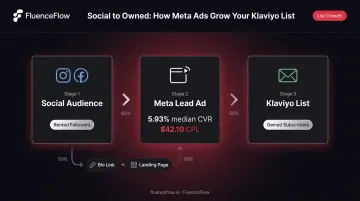
Social audiences are rented. The goal of social media in list-building isn't to accumulate followers — it's to convert them into email subscribers you actually own.
Tactics that work:
- Bio links pointing to a lead magnet landing page
- Posts that tease email-exclusive content or offers not available on social
- Paid Meta Lead Ads — these natively sync with Klaviyo, making them a scalable acquisition channel for DTC brands
WordStream's analysis of nearly 3,000 campaigns found that beauty and personal care brands see a median 5.93% conversion rate and $42.10 cost per lead for Meta lead campaigns — useful benchmarks if you're evaluating paid acquisition.
Strategy 6: Build Referral and Loyalty Incentives Into Your List Growth
Referral programs turn existing subscribers into recruiters. Offer an incentive to both the referrer and the new subscriber — common options include:
- Store credit or a discount code
- A free product with next purchase
- Early access to a new collection
Referral-acquired subscribers tend to stay longer and engage more because they came via personal recommendation, not a paid ad.
Loyalty programs that require email sign-up to earn points or access perks act as a self-reinforcing list-building engine. This works best for brands with mid-to-high purchase frequency — consumables, supplements, specialty food, and similar categories where repeat buying behavior already exists.
Key Variables That Determine How Fast Your List Grows
Two brands can run identical tactics and see dramatically different results. List growth comes down to a handful of controllable variables — and most brands underestimate at least one of them.
Offer Relevance and Perceived Value
The incentive must feel worth trading an email address for — and it needs to match the visitor's context. A generic 10% off popup shown to every visitor will underperform against a segmented offer tied to the product they're viewing or their stage in the buying journey. Brands that personalize offers by page or product category consistently outperform those running a single site-wide popup.
Traffic Volume and Quality
Email capture is a conversion optimization play — you can only capture emails from traffic that already exists. Using Klaviyo's benchmark: 10,000 form views per month at a 3% submit rate yields 300 new subscribers. Growing that number means increasing traffic, improving submit rate, or ideally running both as parallel workstreams.
Popup Timing and Trigger Logic
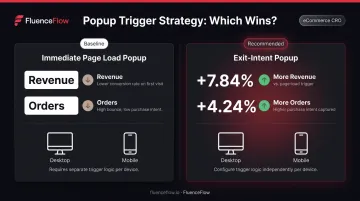
When a popup fires determines whether it helps or hurts. Behavior-triggered popups — exit intent, scroll depth, time on page — outperform immediate page-load popups. An OptiMonk test comparing exit-intent vs. five-second welcome popups found exit intent produced 7.84% more revenue and 4.24% more orders. Mobile and desktop also need separate trigger logic; session behavior differs enough that a single trigger setting won't optimize for both.
Post-Signup Retention Rate
If new subscribers open the welcome email and then go silent, the problem isn't your opt-in rate — it's your onboarding sequence. Track 30-day engagement for new subscribers as your primary signal of list quality. A declining rate means either the incentive attracted the wrong audience or the follow-up content isn't holding their attention.
Common Mistakes That Slow Email List Growth (and Damage List Quality)
Buying or Importing Email Lists
Purchased lists hurt more than they help. Recipients haven't consented to hear from you, spam complaint rates spike, and sender reputation degrades — pulling down inbox placement for your entire domain.
Google's sender guidelines require keeping spam rates below 0.10% in Postmaster Tools, with 0.30% being a threshold that triggers serious deliverability consequences. A single send to a purchased list can push you past both thresholds in one shot.
The FTC's CAN-SPAM Act requires opt-outs be honored within 10 business days and that senders monitor vendors acting on their behalf. Trade show lists and old databases carry similar risks unless those contacts explicitly opted in for email marketing from your brand specifically.
Using a Weak or Misaligned Incentive
"Subscribe for updates" converts almost no one. A massive giveaway unrelated to your products attracts subscribers who wanted the prize, not your brand — they churn fast and drag down your engagement metrics.
The incentive needs to be valuable enough to motivate action and specific enough to filter for genuine buyers.
Weak: "Win a $500 gift card" (attracts anyone) Strong: "Get 10% off your first order of grass-fed beef" (attracts people who already want what you sell)
No Segmentation from Day One
Tagging subscribers at signup enables immediately relevant follow-up. Useful signals to capture from day one:
- The page or popup they converted on
- The offer or discount they claimed
- Whether they're an existing buyer or a first-time visitor
Brands that dump everyone into one undifferentiated list lose the ability to personalize — which drives up unsubscribes and kills engagement. Klaviyo's source-based tagging and conditional flow logic make this easy to set up before your first subscriber arrives.
Neglecting List Hygiene
A growing list that isn't cleaned will see deliverability decline over time. Klaviyo recommends beginning a 2–5 email re-engagement series after approximately 3–6 months of inactivity, timed to the brand's buying cycle. Contacts who don't respond should be suppressed.
A leaner, more engaged list consistently outperforms a bloated one. Email providers track engagement signals closely, and suppressing dead weight is often the fastest way to recover declining open rates and inbox placement.
Frequently Asked Questions
How many email subscribers do I need before email marketing is worth investing in?
There's no minimum threshold. A few hundred highly engaged subscribers who match your buyer persona can generate meaningful revenue through targeted flows and smart segmentation. Focus on engagement quality from the start, not raw subscriber count.
What's the best lead magnet for a DTC e-commerce brand?
The best lead magnet is tightly aligned with buyer intent and product category. Discount codes and free shipping work broadly across most categories. Product quizzes, buying guides, and how-to resources attract higher-quality leads who are actively researching a purchase.
Should I use double opt-in or single opt-in for my email list?
Double opt-in produces a cleaner list; single opt-in grows faster but picks up more low-intent subscribers. For most DTC brands, single opt-in with active list hygiene is standard. Certain markets — Germany and the UK in particular — have stricter consent requirements worth confirming with a compliance advisor.
How often should I clean my email list?
Run a re-engagement campaign for subscribers who haven't opened or clicked in 90–180 days, then suppress those who remain unresponsive. Most healthy lists go through a formal cleaning cycle at least quarterly to protect deliverability and sender reputation.
Can I use my social media followers as a substitute for an email list?
No. Algorithm shifts or account restrictions can cut your social reach overnight with no recourse. An email list is owned, portable, and converts at a higher rate than social channels for most DTC brands.
What should I send new subscribers immediately after they sign up?
Send a welcome email within minutes: deliver the promised incentive, introduce the brand briefly, and set expectations for what comes next. Follow up with a 3–7 day sequence that builds affinity and drives toward a first purchase.