For DTC brands, the challenge is clear: sending the same generic message to your entire list wastes budget, erodes engagement, and leaves revenue on the table. Customers expect relevance. Without proper segmentation and behavioral targeting, your emails get lost in crowded inboxes, ignored by subscribers who don't see why your message matters to them.
This guide will walk you through targeted email marketing strategies that turn your existing list into a reliable revenue channel. You'll learn how to segment audiences based on behavior and lifecycle stage, build automated flows that respond to customer actions in real time, and measure what actually drives conversions, not just opens.
Key Takeaways
- Automated flows drive 5.58% click rates vs. 1.69% for campaigns, nearly 18x more revenue per recipient (Klaviyo, 183K+ brands)
- Segment on purchase history, browsing behavior, engagement, and lifecycle stage, not demographics alone
- Abandoned-cart flows average a 3.33% order rate; top performers hit 7.69% across 143K+ flows
- Set up SPF, DKIM, and DMARC and keep spam complaints under 0.10%–0.30% before you launch
What is Targeted Email Marketing?
Targeted email marketing segments your subscriber list based on demographics, behavior, interests, and lifecycle stage, then sends personalized messages matched to each group. Instead of broadcasting the same offer to everyone, you deliver relevant content to people most likely to engage and buy.
Targeted vs. Broadcast Emails
Targeting is more than dropping a first name into the subject line. Personalization greets someone by name; targeting uses customer data so the full message matches what they care about.
Example:
- Broadcast email: Sending the same skincare sale to your entire list
- Targeted email: Sending replenishment offers to customers who bought serums, and new-arrival picks to shoppers who browsed moisturizers but never purchased
The difference is whether your message matches the recipient's demonstrated interests and behavior.
How Targeted Email Marketing Works
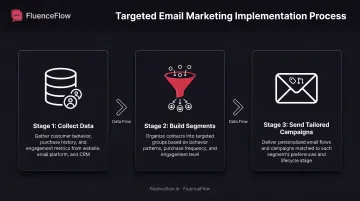
Targeted email follows a three-step process:
- Collect data – Pull purchase history, browse activity, and engagement patterns
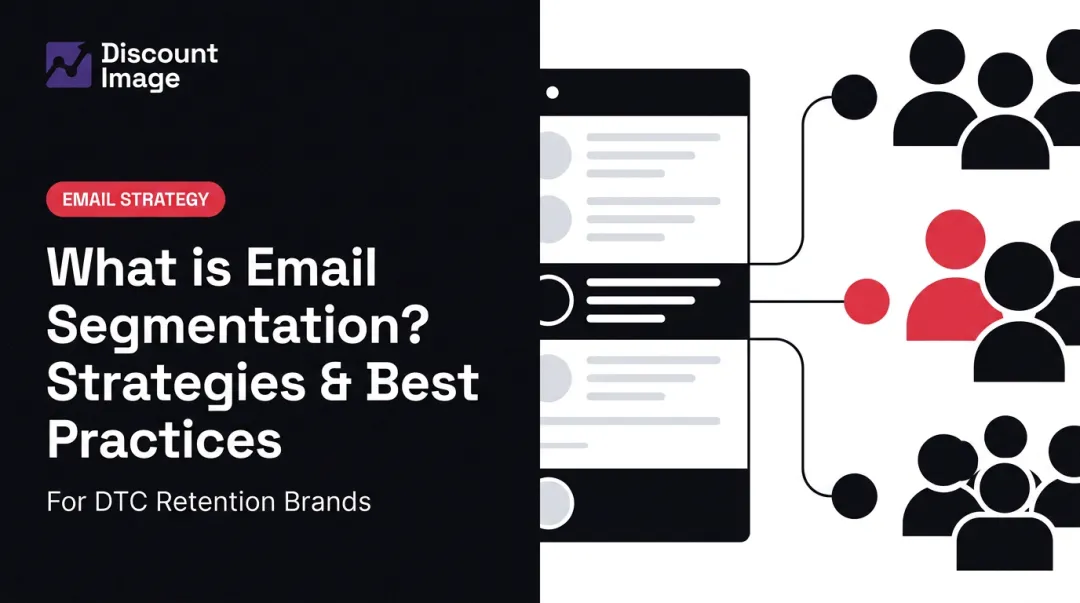
- Build segments – Group subscribers by shared traits or actions
- Send tailored campaigns – Match each message to the segment's needs and lifecycle stage
This approach works across all email types:
- Promotional campaigns scheduled around product launches or sales
- Automated flows triggered by customer actions like cart abandonment or first purchase
- Transactional messages that confirm orders and provide updates
Targeting maps directly to the sales funnel; each stage needs different messaging:
- New subscribers: education and trust-building
- Active browsers: product recommendations
- Past customers: replenishment reminders or cross-sell offers
Why Targeted Email Marketing Matters for DTC Brands
Relevance determines whether your emails get opened, clicked, or deleted. Klaviyo's 2026 benchmarks show that automated flows built on behavioral targeting achieve a 5.58% click rate versus 1.69% for standard campaigns, with revenue per recipient nearly 18 times higher.
Increased Engagement and Open Rates
Behavioral targeting improves engagement by matching messages to subscriber intent. When someone abandons a cart, a timely reminder about the specific products they considered performs far better than a generic weekly newsletter.
Klaviyo's analysis of 143,000+ abandoned-cart flows found a 50.50% average open rate and 6.25% click rate, above standard campaign benchmarks. Subject lines and preview text that reference the abandoned item or browse behavior create immediate relevance.
Higher Conversion Rates and Revenue
Targeted campaigns convert because they reach people at the right moment with the right offer. Omnisend's 2025 report found that automated emails converted at 1.76% versus 0.07% for manual campaigns, a 25x difference in conversion performance.
Personalized product recommendations based on browsing and purchase history turn casual visitors into buyers. When a customer who purchased running shoes receives an email featuring running apparel or accessories, the recommendation feels helpful rather than random.
Improved Customer Retention and Lifetime Value
Relevant emails build trust and loyalty by showing customers you understand their needs. Lifecycle marketing supports this at every stage:
- Welcome sequences that nurture new customers
- VIP offers that reward loyal buyers
- Winback campaigns that re-engage inactive subscribers before they churn
FluenceFlow's work with DTC brands shows that well-executed email and SMS systems can drive 41% of total store revenue. This retention-focused approach reduces customer acquisition costs by maximizing the value of existing relationships.
Better ROI and Resource Efficiency
Targeting ensures messages reach people most likely to convert, improving return on every dollar spent. Instead of sending 10,000 emails to your entire list, you send 2,000 highly relevant emails to segments that match specific criteria.
Quality targeting also protects sender reputation. When subscribers receive emails they actually want, unsubscribe rates and spam complaints drop. Gmail and Yahoo now require bulk senders to keep spam complaints below 0.10%–0.30%, so engagement quality is a deliverability requirement.
Email Segmentation Strategies That Drive Results
Segmentation turns one list into messages that match who someone is, what they've done, and where they sit in your funnel. For DTC brands, these three approaches are the backbone of Klaviyo programs that drive repeat revenue.
Demographic and Geographic Segmentation
Demographics are a useful baseline, not a full strategy. Apparel brands segment by gender for sizing and style. Location segments push seasonal products by climate; winter coats to cold regions, swimwear to warm ones.
Example applications:
- Send region-specific inventory ("New arrivals for California customers")
- Adjust currency and shipping estimates by country
- Promote weather-appropriate products based on geography
Behavioral Segmentation
Behavior predicts the next action more reliably than age or zip code. Klaviyo tracks purchase history, browsing activity, email engagement (openers vs. clickers), and cart abandonment so you can act on intent.
RFM analysis segments customers by three dimensions:
- Recency: When did they last purchase?
- Frequency: How often do they buy?
- Monetary value: How much do they spend?
Klaviyo's RFM feature scores each customer 1-3 on all three measures. That split surfaces high-value buyers who warrant VIP treatment and at-risk customers who need win-back offers.
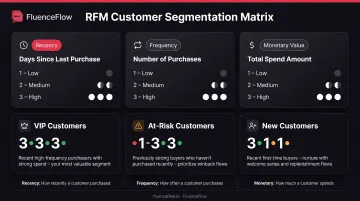
Accurate scores require at least 500 purchasers, 180 days of order history, and some customers with 3+ orders.
Lifecycle Stage Segmentation
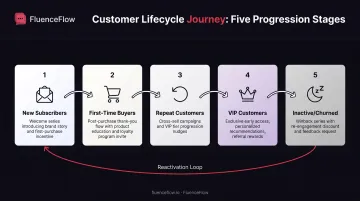
Layer journey stage on top of demographics and behavior so offers match the relationship, not just the profile:
- New subscribers: Welcome sequences that introduce your brand and set expectations
- First-time buyers: Post-purchase emails that build confidence and encourage second purchases
- Repeat customers: Product recommendations and loyalty rewards
- VIP customers: Exclusive access and early product launches
- Inactive/churned: Re-engagement campaigns before removing them from your list
Klaviyo's lifecycle framework uses purchase history, browsing behavior, and engagement data to automatically update segments as customers move stages. Each person gets messages matched to where they are with your brand right now.
Building Your Targeted Email Marketing Strategy
Build the system in five stages: collect first-party data, segment your list, personalize content, automate behavioral flows, then test and optimize.
Step 1: Collect Quality First-Party Data
Data collection starts at signup. Use preference forms that ask about interests, product categories, or shopping goals. Track purchases and website behavior automatically through your e-commerce platform integration.
Effective data collection methods:
- Signup forms with 2-3 optional preference questions
- Purchase tracking through Shopify or similar platforms
- Website behavior tracking (browsing, product views, time on site)
- Preference centers where subscribers update their interests
Build your list organically through permission-based methods. Purchased lists violate Mailchimp's terms of service and increase bounce rates, spam complaints, and deliverability damage.
Compliance requirements:
- Double opt-in: Confirms email addresses and filters fake signups
- Clear privacy policy: Explains how you'll use subscriber data
- Easy unsubscribe: One-click unsubscribe in every email (required by Gmail and Yahoo for bulk senders)
- Authentication: SPF, DKIM, and DMARC records configured correctly
Step 2: Segment Your Audience
Start simple with 3-5 basic segments, then add complexity as you gather more data. Common starter segments include:
- New subscribers (joined in last 30 days)
- Recent purchasers (bought in last 60 days)
- Engaged subscribers (opened or clicked in last 90 days)
- Inactive subscribers (no engagement in 90+ days)
- VIP customers (3+ purchases or top 10% by revenue)
Once those starter segments are live, progressive profiling collects more detail through surveys, quizzes, and interactive content instead of long initial forms. That keeps signup friction low while profiles get richer over time.
Step 3: Create Personalized Content
Targeted emails include several personalization elements:
- Subject lines: Reference past purchases, browsing behavior, or location
- Dynamic content blocks: Show different products or offers based on segment
- Product recommendations: Suggest items based on purchase or browse history
- Location-based offers: Highlight nearby stores or region-specific promotions
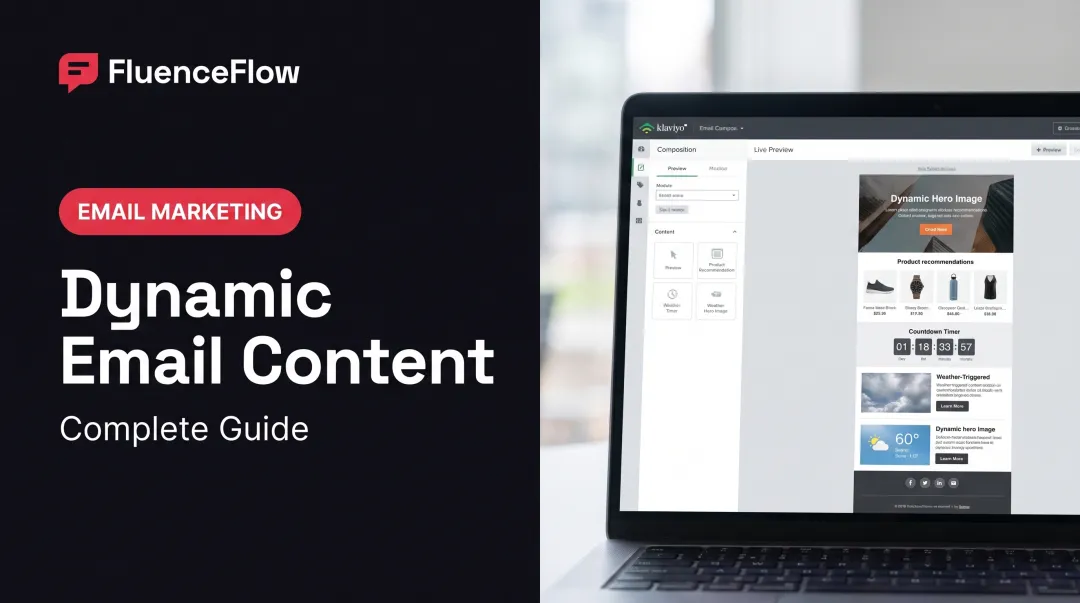
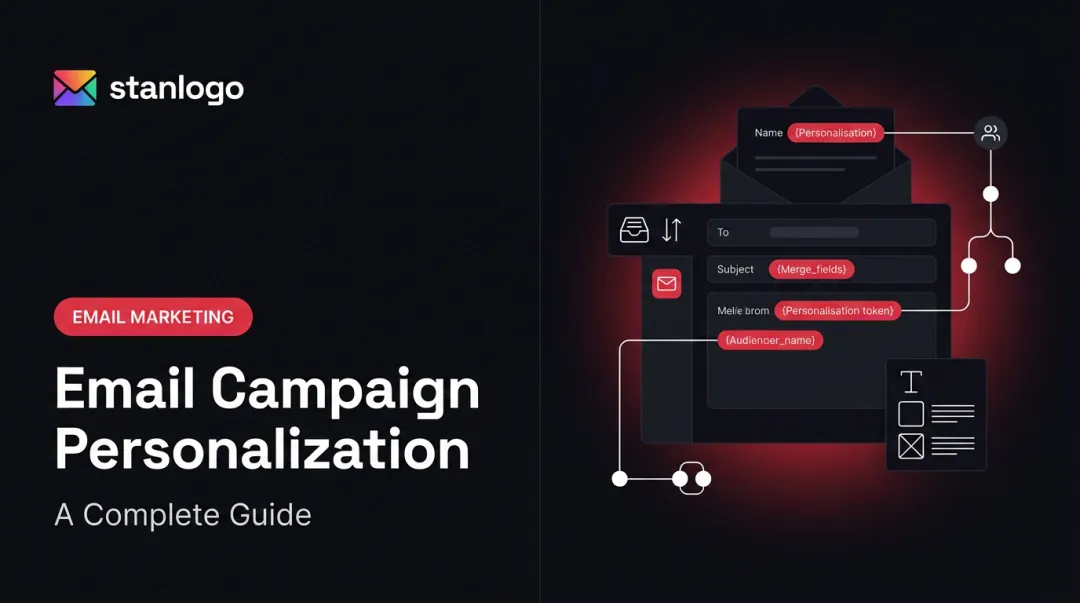
Most email platforms use merge tags and conditional content to insert personalized elements into templates. Klaviyo's dynamic content shows or hides entire sections based on customer data, letting you build one template that serves multiple segments.
Step 4: Set Up Behavioral Triggers and Automation
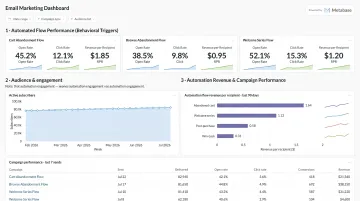
Automated flows respond to customer actions in real time. Key flows for DTC brands include:
- Welcome series: Introduces new subscribers to your brand, typically 3-5 emails over 7-14 days
- Abandoned cart recovery: Reminds customers of items left behind, usually 2-3 emails over 24-48 hours
- Browse abandonment: Targets visitors who viewed products but didn't add to cart
- Post-purchase follow-up: Confirms orders, requests reviews, and suggests complementary products
- Win-back campaigns: Re-engages inactive subscribers before removing them from your list
Klaviyo's cart flow guidance recommends sending the first abandoned-cart email at 2-4 hours, with longer delays for higher-consideration products.
FluenceFlow's implementations show that automated flows typically generate 30-60% of total email revenue, often the highest-leverage part of a targeted email program.
Step 5: Test, Measure, and Optimize
A/B testing identifies what works for each segment. Test one variable at a time:
- Subject lines (length, personalization, urgency)
- Send times (morning vs. evening, weekday vs. weekend)
- Content variations (short vs. long, image-heavy vs. text-focused)
- Offer types (percentage discount vs. dollar amount, free shipping vs. product gift)
Mailchimp's analysis of nearly 500,000 tests found that open-rate winners emerge after 2-3 hours, while revenue winners require a full 24 hours to identify accurately. Don't call tests early.
Key metrics to track:
- Click-through rate (more reliable than opens due to Apple Mail Privacy Protection)
- Conversion rate (purchases divided by emails sent)
- Revenue per email (total revenue divided by emails sent)
- Unsubscribe rate (should stay below 0.5%)
- Spam complaint rate (must stay below 0.10%-0.30% for Gmail/Yahoo)
Protect those metrics with regular list cleaning. Remove hard bounces immediately, suppress addresses that consistently don't engage, and honor unsubscribe requests within 24 hours.
Targeted Email Campaign Examples for E-commerce
Three campaign types consistently convert for DTC and Shopify brands: abandoned cart, product recommendations, and win-back. Each responds to a clear behavioral signal and turns existing demand into revenue.
Abandoned Cart Recovery Emails
Cart abandonment is a high-intent signal. Someone added products but didn't complete checkout, often due to unexpected shipping costs, comparison shopping, or simple distraction.
An effective cart recovery sequence looks like this:
- First email (2-4 hours): Simple reminder with product images and a direct cart link
- Second email (24 hours): Add urgency, customer reviews, or address common objections
- Third email (48 hours): Final reminder, with a small incentive for first-time buyers when needed
Across 143,000+ Klaviyo abandoned-cart flows, the average placed-order rate was 3.33%, with top performers reaching 7.69%. Average revenue per recipient was $3.65, climbing to $28.89 for top performers.
Avoid offering discounts in the first email. Early coupons can train customers to abandon carts on purpose to get a deal. If you use incentives, reserve them for the final email or restrict them to first-time buyers only.
Product Recommendation Emails
Cart recovery wins back lost checkouts. Recommendation emails grow orders from people who already browsed or bought.
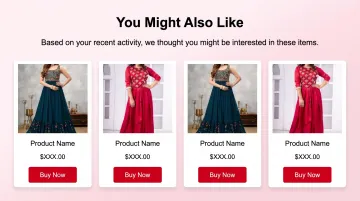
Purchase and browsing history reveal what customers want next. "Customers who bought X also bought Y" recommendations and personalized "you might like" sections increase average order value and repeat purchase rates.
Strong recommendation plays include:
- Post-purchase cross-sells: Suggest complementary products after someone buys (phone case after a phone, coffee filters after a coffee maker)
- Browse-based recommendations: Email products similar to those viewed but not purchased
- Replenishment reminders: Calculate when consumable products run out and send timely reorder prompts
Klaviyo's ecommerce segmentation framework uses real-time product views, purchase history, and predicted lifetime value to automatically generate personalized recommendations.
Re-engagement and Win-back Campaigns
Recommendation emails serve active interest. Win-back campaigns handle the opposite problem: subscribers who went quiet.
Inactive subscribers hurt deliverability and engagement rates. Re-engagement campaigns target people who haven't opened or clicked in 60-90 days. Klaviyo recommends setting that window to your buying cycle rather than a fixed cutoff.
A progressive re-engagement sequence:
- Soft reminder: "We miss you" message highlighting new products or content
- Incentive offer: Exclusive discount or free shipping to encourage return
- Final chance: "Last chance to stay subscribed" with prominent preference update and unsubscribe options
If subscribers don't engage with any of the three emails, remove them from your list or move them to a suppressed segment. This protects your sender reputation and keeps metrics focused on engaged subscribers.
Measuring Success: Metrics That Matter
Apple Mail Privacy Protection pre-loads images and inflates open rates, so opens are less reliable for measuring engagement. Mailchimp warns that MPP affects open-rate accuracy across all platforms. Treat opens as directional at best and put more weight on revenue-focused indicators.
Key Performance Indicators
Track KPIs that tie email to revenue and list quality:
- Click-through rate: Share of recipients who clicked any link. More reliable than opens for real interest.
- Conversion rate: Share of recipients who completed a purchase. Ties sends to business impact.
- Revenue per recipient: Total revenue divided by emails sent. Captures conversion and order value together.
- Customer lifetime value impact: Whether targeted emails raise total customer spending over time.
- List growth rate: Net new subscribers minus unsubscribes and bounces, divided by list size.
Full-funnel attribution connects email clicks to purchases, even when the purchase happens later or on a different device. Klaviyo's placed-order tracking attributes revenue to the email that started the customer journey, not just the last touchpoint.
Deliverability and List Health Metrics
Watch these health signals closely:
- Bounce rate: Keep below 2%. Higher rates signal list quality problems.
- Spam complaint rate: Stay below 0.10% for Gmail and 0.30% for Yahoo. Gmail's sender guidelines make this a hard requirement for bulk senders.
- Inbox placement rate: Share of emails landing in the inbox versus spam. Track with seed lists or deliverability tools.
Technical setup protects those numbers:
- Authentication status: Yahoo requires SPF, DKIM, and DMARC at p=none or stronger for bulk senders. Gmail requires all three above 5,000 emails per day. Configure these DNS records before large campaigns.
- One-click unsubscribe: Gmail requires RFC 8058-style unsubscribe headers for marketing email above 5,000 per day. Yahoo requires a working list-unsubscribe link and a visible body link, honored within 2 days.
When to Consider Professional Help
Brands doing $50,000+/month may benefit from specialized retention agencies like FluenceFlow that build custom email and SMS systems around unit economics rather than generic templates. Outside help makes sense when you lack internal expertise to build behavioral flows, segment audiences, or maintain deliverability compliance.
Frequently Asked Questions
What are targeted email campaigns?
Targeted email campaigns group subscribers by demographics, purchase behavior, browsing activity, or engagement level. Each group gets messages matched to their traits and stage in the customer journey.
What are examples of email marketing campaigns?
Common types include welcome series, promo and launch emails, abandoned-cart recovery, and product recommendations. Brands also use post-purchase follow-ups, winbacks, and seasonal offers tied to holidays or events.
Is email marketing still worth it in 2026?
Yes. Email remains one of the highest-converting digital channels. Klaviyo benchmarks show flows at 5.58% click rates and nearly 18x more revenue per recipient than campaigns, and mature email/SMS programs often drive around 40%+ of store revenue.
How much does a targeted email list cost?
Building a list organically through site signups, checkout opt-ins, and content offers is free aside from your email platform. Skip purchased lists. They usually violate platform terms, spike bounces and spam complaints, and hurt sender reputation.
How do I start targeting my email campaigns?
Begin by analyzing existing customer data in your e-commerce platform and email service. Create 3-5 basic segments based on purchase recency, engagement level, and lifecycle stage. Start with simple personalization like segment-specific subject lines before building complex behavioral flows.
What email marketing platform is best for targeted campaigns?
For DTC brands, Klaviyo is a strong fit thanks to segmentation, behavioral tracking, and deep e-commerce integrations. Prioritize real-time data sync, behavior-based automation, dynamic content, and revenue attribution, not just opens and clicks.